Share This Article
A beautiful home is rarely created by buying everything at once. It comes together in the little decisions: the sofa that makes you want to stay awhile, the dining table that holds Sunday breakfasts, the bedroom pieces that make an ordinary Tuesday feel softer. To create your dream home with Raymour & Flanigan, begin with the feeling you want each room to hold, then choose furniture that supports your actual life.
Start With a Feeling, Not a Furniture Set
Before measuring a wall or choosing a fabric, give your home a mood. Maybe you are drawn to warm, collected interiors with creamy upholstery and honey-toned wood. Maybe your saved pins lean modern organic, with low-profile silhouettes, texture, and gentle neutrals. Or perhaps you love a playful, polished look where a velvet accent chair or sculptural coffee table gets to have its moment.
This first step prevents the all-too-common “pretty but not quite me” purchase. A room does not need to match perfectly to feel cohesive. It does need a point of view. Choose three words that feel like home to you – airy, grounded, romantic; tailored, cozy, bright; classic, feminine, calm. Let them guide the larger pieces first.
Raymour & Flanigan offers enough variety to work with different aesthetics, which is helpful when your taste is more nuanced than one matching collection. The goal is not a showroom copy-and-paste. It is a home with a little heart in it.
Create Your Dream Home With Raymour & Flanigan, Room by Room
Trying to furnish an entire home at once can turn an exciting refresh into decision fatigue. Start with the room that will change your daily routine most. For some people, that is the living room. For others, it is a bedroom that has been functioning as a laundry landing pad for far too long.
Begin with the living room anchor
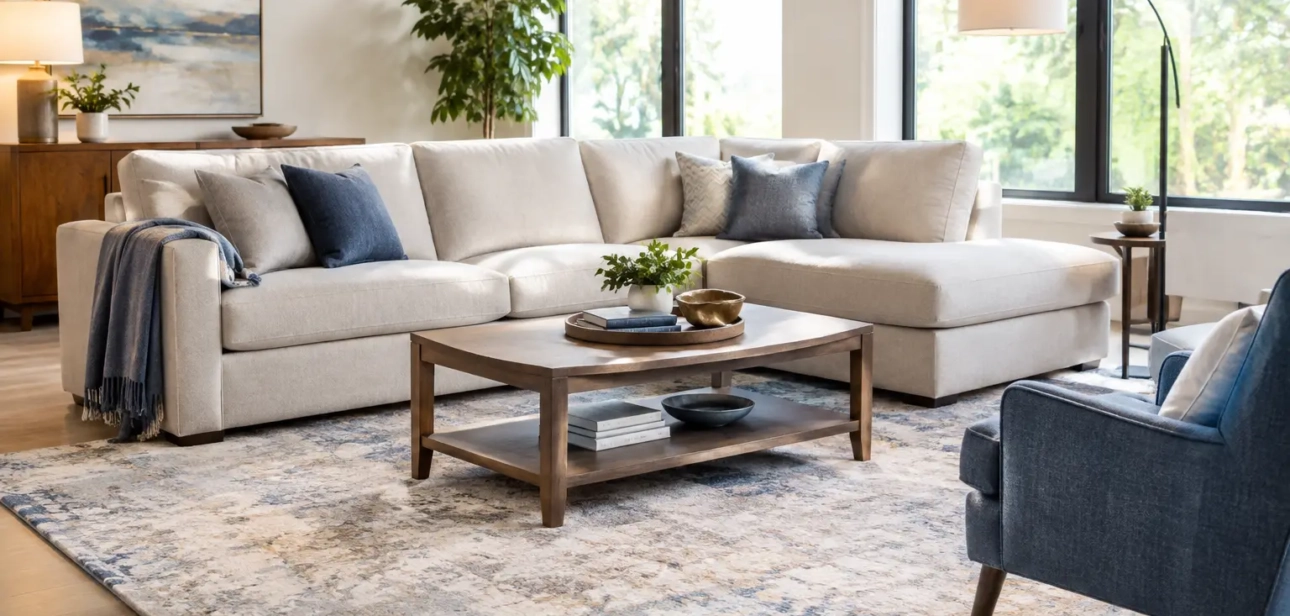
The sofa is usually the emotional and visual center of a living room. Think beyond color for a moment. Consider how you use it: Are you a curl-up-with-a-book person, a family-movie-night person, or a host-with-extra-blankets person? Deep seats can feel wonderfully lounge-ready, while a more structured silhouette may better suit a smaller space or a cleaner-lined aesthetic.
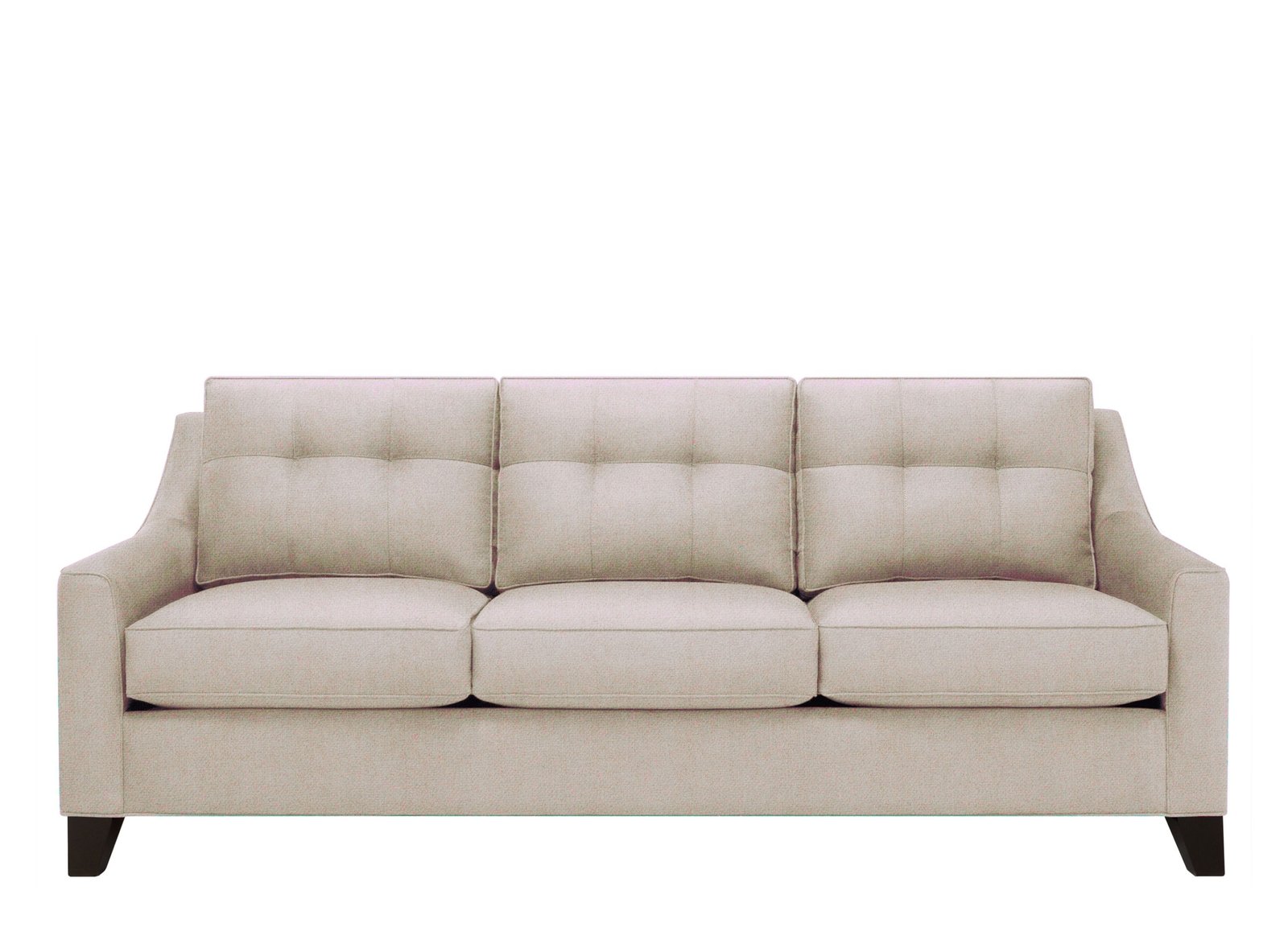
A performance fabric can be a smart choice for homes with pets, kids, frequent guests, or simply a fondness for coffee on the couch. On the other hand, a delicate boucle or pale linen-look fabric may be worth the extra care if the room is low traffic and you love a soft editorial finish. There is no universally correct choice, only the one that lets you enjoy the room without constant worry.
Once the sofa is chosen, add a coffee table that gives the room shape. Round tables soften a space full of straight lines, while rectangular styles can feel grounded in a longer room. Leave enough room to walk comfortably around it. A beautiful layout should still let someone carry a mug of tea without performing an obstacle course.
Make the bedroom feel like a retreat
The bedroom deserves more than being the place where you collapse at the end of the day. A bed frame, nightstands, and dresser create the foundation, but the feeling comes from proportion and softness. If your room is compact, a storage bed or taller dresser can help reduce visual clutter without sacrificing style.
For a serene look, pair an upholstered headboard with warm wood nightstands, or reverse it with a wood bed and softly curved nightstands. Mixing materials gives the room dimension. It also keeps it from looking like you bought every piece during one very efficient Saturday afternoon.
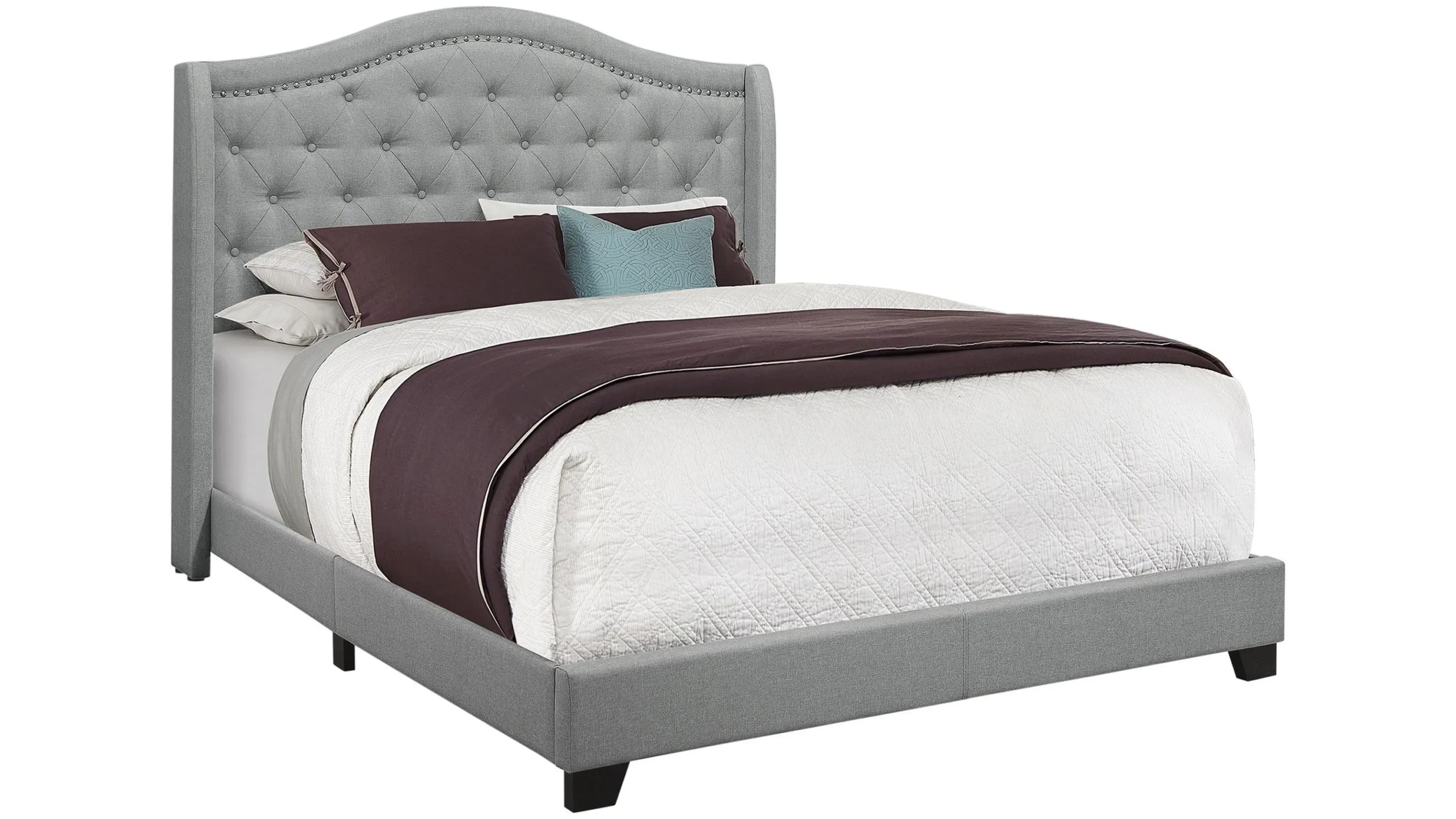
Do not forget lighting. Nightstand lamps make a room feel immediately more intentional than relying on overhead light alone. Add bedding in a small palette of two or three tones – perhaps ivory, muted blue, and a warm taupe – then finish with a throw that looks inviting even when the bed is not perfectly made.
Let the dining area work a little harder
A dining table should fit both your square footage and your version of gathering. If you live in a smaller apartment, a round pedestal table can offer softness and better flow around tight corners. If your home becomes the holiday destination, an extendable table may be the kindest choice for future you.
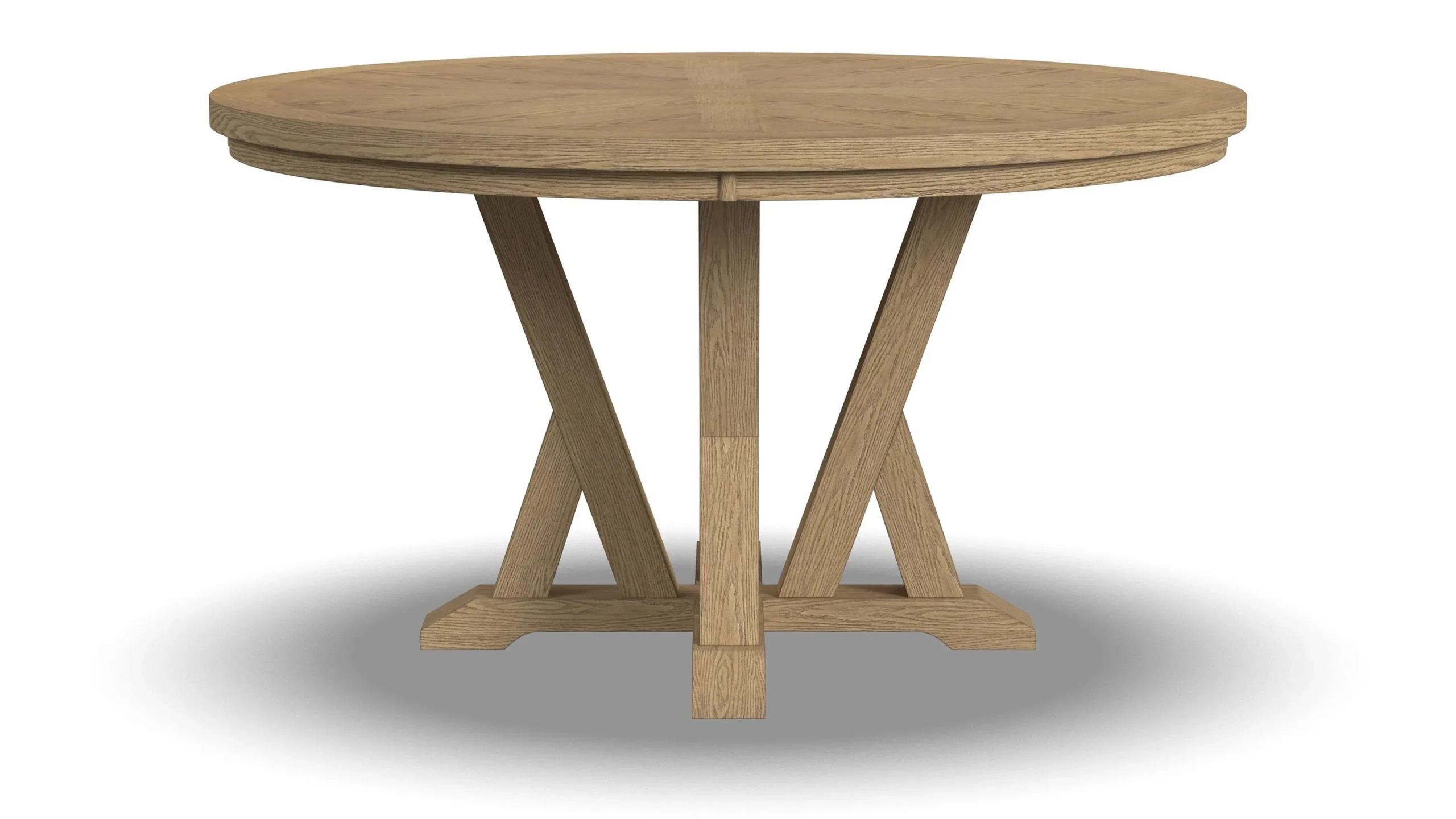
Dining chairs are a lovely place to introduce contrast. Wood chairs can add warmth to a sleek table, while upholstered seats bring a more dressed-up, linger-over-dessert feeling. Just remember that light upholstery and spaghetti night are not always a dreamy pairing. Choose materials with your real routines in mind.
Measure for Comfort, Then Measure Again
A common decorating mistake is falling for a piece online without giving it enough breathing room at home. Before ordering, measure the length, width, and height of your room, along with doorways, hallways, elevators, and stair turns. Tape can be surprisingly useful here: mark out the footprint of a sofa, bed, or dining table on the floor and live with the shape for a day.
Keep circulation in mind. You generally want clear paths through the room, space to pull out dining chairs, and nightstands that do not make getting into bed feel cramped. In a small space, furniture with visible legs can create a lighter visual effect, while a larger room may need substantial pieces to avoid feeling sparse.
Scale is not about making everything small. It is about making every piece feel like it belongs. A generous sectional can look beautifully relaxed in the right room, but it needs enough surrounding air to feel intentional rather than crowded.
Build a Collected Look Without Making It Busy
The most inviting rooms balance consistency with contrast. You might repeat one wood tone across a coffee table and picture frames, then bring in a different finish through an accent chair or side table. Keep the undertones friendly: warm woods tend to pair well with brass, cream, terracotta, and olive, while cooler woods often suit black accents, gray, blue, and crisp white.
Texture is the quiet ingredient that makes neutral rooms feel rich. Think woven baskets, a nubby rug, linen-like curtains, ceramic lamps, velvet pillows, or a wood-grain console. You do not need all of them. A few varied surfaces make a room feel layered and personal without adding more color than you actually want.
When styling shelves or tabletops, leave some open space. Not every surface needs an object. A stack of books, a candle, a small bowl, and one meaningful photo can say more than a dozen tiny decorations competing for attention.
Spend Where You Feel It Most
If you are furnishing gradually, prioritize the pieces your body uses every day: a supportive mattress, a sofa with the right sit depth, dining chairs that remain comfortable through a long meal. These are the investments that shape how your home feels to live in, not just how it photographs.
Save room in the budget for the finishing touches, too. A less expensive side table can look elevated beside a great lamp. Simple curtains hung high and wide can make a room feel taller. A beautiful mirror can bounce light into a darker corner and make the entire space feel more open.
It can also help to buy fewer, better-fitting pieces rather than filling every blank spot immediately. Empty space is not a decorating failure. It gives your favorite finds room to breathe and leaves space for the details you will discover over time.
Give It Time to Become Yours
The loveliest homes are not frozen in one perfect reveal. They evolve around new routines, favorite colors, dinner parties, pets, plants, and the small objects that collect stories. Start with furniture that makes your day-to-day feel supported, then let the finishing details arrive slowly. Your dream home should feel less like a trend you have to maintain and more like a place that gently meets you where you are.