
Share This Article
The right car for two is not just the one that looks lovely in your driveway. It is the one that makes a rainy grocery run feel less annoying, holds your overpacked weekend bags without a puzzle, and has room for both of your coffee orders. To find your perfect couples’ car with Carvana, start with the life you already share, then choose a vehicle that leaves a little room for the life you are growing into.
A couples’ car can be practical and still feel like a beautiful choice. Think of it as part of your shared rhythm: the soundtrack on a late-night drive, the beach towels in the trunk, the Sunday plant-shop stop, and the easy comfort of knowing neither person dreads taking the wheel.
Start With Your Real-Life Love Story
Before comparing makes, mileage, or paint colors, talk about how you truly use a car. Not your fantasy version of every weekend, but the ordinary Tuesday version, too. Does one of you commute while the other works from home? Are you navigating tight city parking, visiting family a few states away, or bringing a dog along whenever possible?
The best choice usually sits at the intersection of both partners’ needs. One person may care deeply about a calm, comfortable cabin; the other may prioritize fuel costs, winter traction, or enough cargo space for camping gear. Neither preference is frivolous. A car that suits both drivers is more likely to stay a source of freedom than become a recurring tiny argument.
Picture the Weekday and the Weekend
Try describing a typical week out loud. Include parking, commute length, grocery runs, gym bags, work totes, and who drives most often. Then imagine your favorite kind of weekend. A compact SUV may make more sense for couples who take frequent road trips or have a growing collection of outdoor gear. A smaller sedan or hatchback can feel wonderfully easy for apartment living, quick errands, and city dates.
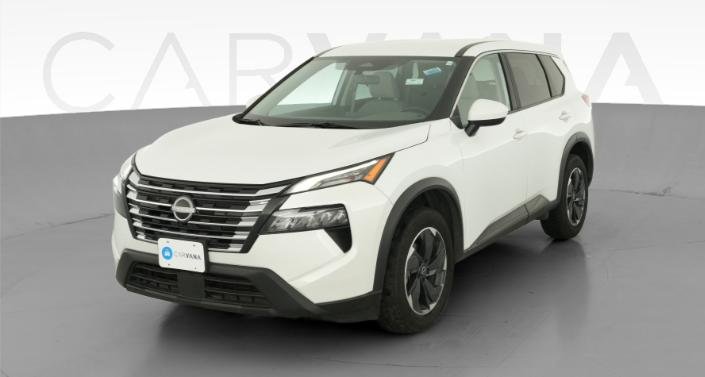
If children may be part of your near future, it is reasonable to consider rear-seat space and car-seat access now. Still, do not overbuy for a hypothetical life five or six years away if it means choosing something too expensive or awkward for the life you have today. There is a sweet spot between planning ahead and staying honest.
How to Find Your Perfect Couples’ Car With Carvana
Shopping online can be especially helpful when you want to compare options without spending every Saturday moving between dealerships. Carvana lets you browse used vehicles from home, which creates space for a more relaxed, side-by-side decision. Make it a cozy two-person project: open a few tabs, save the contenders, and compare what matters most before either of you falls fully in love with a color.
Begin with the non-negotiables. Set a realistic monthly payment or total purchase budget, choose a maximum mileage range that feels comfortable, and decide which body styles genuinely fit your routine. From there, use filters to narrow your options by features such as all-wheel drive, backup cameras, heated seats, third-row seating, or fuel type.
When a listing catches your eye, slow down. Look closely at the photos, specifications, vehicle history information, condition details, and estimated ownership costs. A car can photograph beautifully and still have less rear-seat room than you need. Likewise, a less glamorous option may have the thoughtful details that make daily life easier, such as wide-opening doors, a power liftgate, or excellent visibility.
Read the current purchase, delivery, return, warranty, financing, and eligibility terms carefully before you commit. Those details can vary by vehicle and location. The practical paperwork may not be the romantic part of car shopping, but clarity around it is a form of self-care for your shared budget.
Choose the Details You Will Feel Every Day
Aesthetic appeal matters. You should absolutely enjoy looking back at your parked car after dinner. But the features that shape happiness over time are often quieter: supportive seats, good cup holders, easy climate controls, clear navigation, and enough charging ports for two phones.
Comfort Is Not an Extra
If you take longer drives, seat comfort deserves serious attention. Consider adjustable lumbar support, legroom for the taller partner, quiet highway manners, and how easy it is to get in and out. Test-driving, where available, is valuable because comfort is personal. What feels plush to one person can feel overly soft or cramped to another.

Also consider whether you will regularly switch drivers. Memory seating, steering-wheel adjustability, and mirrors that are easy to reset can prevent small friction. The dream is not necessarily matching driving styles. It is having a car that accommodates both of you gracefully.
Make Room for Your Actual Stuff
Cargo space looks different for every couple. For some, it means two carry-ons and a weekender bag. For others, it means a crate for a rescue pup, folding chairs, a stroller, farmer’s market flowers, or a vintage mirror you absolutely did not plan to bring home.
Do not rely only on cargo-volume numbers. Think about the shape of the space and how high the lift-over is. A roomy trunk is less useful if you struggle to load a cooler into it. Fold-flat rear seats can be a quietly wonderful feature for spontaneous finds and long weekends away.
Match the Vehicle to Your Shared Energy
There is no universally perfect couples’ car, but a few vehicle personalities tend to fit certain lifestyles well.
- A compact SUV suits couples who want an elevated driving position, flexible cargo space, and a little extra confidence for changing weather or road trips.
- A midsize sedan feels polished and comfortable for regular commuting, highway travel, and couples who do not need to haul much beyond everyday essentials.
- A hatchback is a smart, playful middle ground, offering city-friendly proportions with more packing flexibility than many sedans.
- A hybrid can appeal to couples who drive often and want to spend less time thinking about fuel stops, though the purchase price and availability may shape the decision.
- A pickup or larger SUV makes sense for very specific needs, such as towing, frequent home projects, or a large family, but comes with trade-offs in fuel use, parking, and overall cost.
The most stylish choice is the one that supports your real routines without asking you to compromise on every outing. A soft beige interior may feel tempting, for example, but may require more upkeep with a muddy dog or frequent hiking trips. That does not make it a bad choice. It simply means you should choose it with open eyes and a good cleaning plan.
Have One Honest Budget Conversation
It can feel more romantic to focus on color and features, but the financial fit deserves equal tenderness. Agree on a number that protects your other goals, whether that is travel, moving into a new place, paying down debt, or building a savings cushion.
Account for more than the purchase price. Insurance, registration, taxes, fuel, maintenance, parking, and financing all belong in the picture. A vehicle that stretches your budget may turn every repair or renewal into stress. A slightly simpler car that lets you say yes to a weekend away, fresh flowers for the kitchen, or a future apartment upgrade may be the more luxurious choice after all.
If one partner is contributing more, talk through ownership, insurance, and payment responsibilities before buying. It is not unromantic. It is caring, mature, and kind to your future selves.
Let the Final Choice Feel Like Both of You
Once you have a shortlist, ask a simple question: Can we picture taking care of this car together? You are looking for more than a practical purchase. You are choosing the little space that will hold road-trip snacks, post-dinner playlists, surprise bouquets, and all the in-between moments that make a shared life feel full.
Choose the vehicle that feels calm in your budget, comfortable on your bodies, useful in your routines, and a little bit exciting every time you walk toward it. That is the kind of everyday beauty worth bringing home.