Share This Article
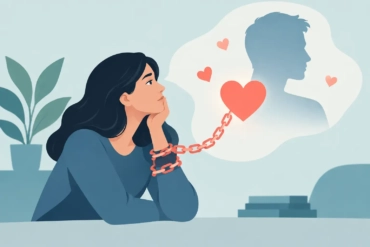
A notification from them can change the temperature of your entire day. A warm reply brings relief. A delayed text sends you rereading the last conversation, looking for a clue you missed. If you have been asking, is limerence emotional addiction, you are probably not being dramatic. You are noticing that the connection feels less like a choice and more like a craving.
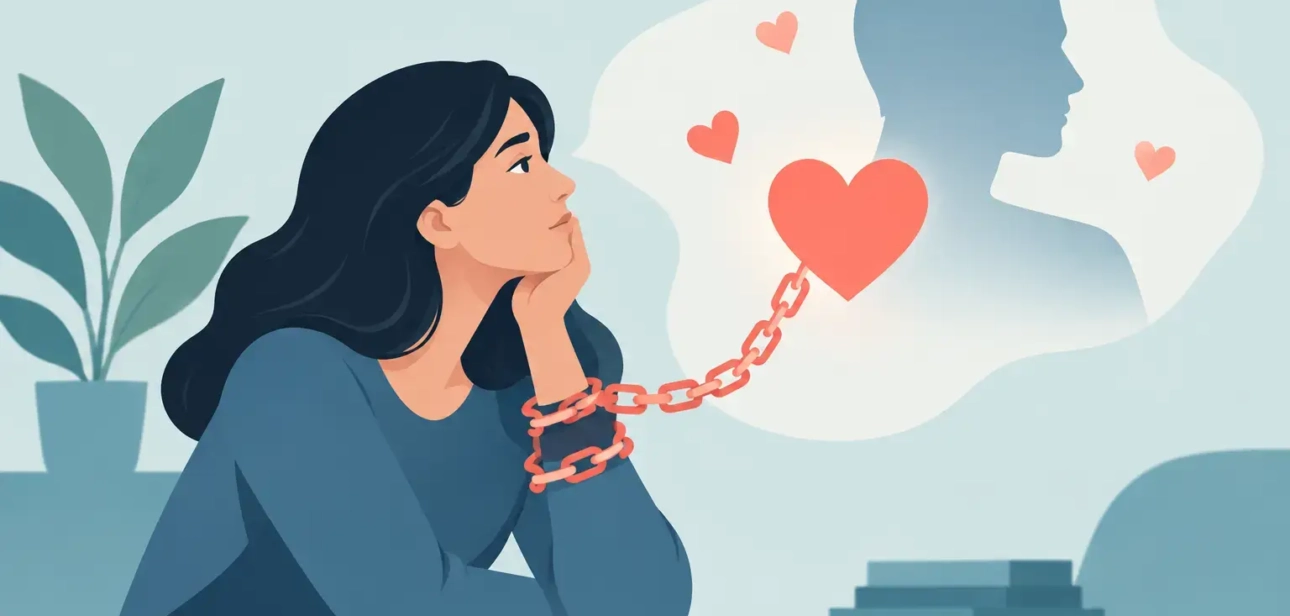
Limerence can be intensely romantic, hopeful, and even beautiful at first. But when your mood, focus, and sense of worth become tied to another person’s attention, it can start to feel painfully similar to addiction. That does not mean you are broken, or that your feelings are fake. It means your nervous system may be caught in a loop that deserves tenderness, honesty, and support.
Is Limerence Emotional Addiction, or Something Else?
Limerence is an intense state of romantic fixation. It often involves intrusive thoughts, idealizing a person, longing for signs that they feel the same way, and feeling unusually high or low depending on their availability. The term was coined by psychologist Dorothy Tennov, and it describes a pattern many people recognize long before they have a name for it.
Emotional addiction is not a formal clinical diagnosis. Cleveland Clinic’s guide to limerence also explains that limerence is not a formal medical diagnosis and can share characteristics with compulsive behaviors. Still, people use the phrase because the experience can look and feel compulsive: you seek contact or reassurance, get a brief rush when it arrives, then feel anxious when it fades. You may promise yourself you will not check their social media, text first, or reread old messages, only to do it again when the discomfort rises.
So, is limerence an emotional addiction? Sometimes it can function that way, especially when the person becomes your main source of validation, fantasy, relief, or emotional intensity. But it is not always the same thing. Limerence may also be connected to loneliness, grief, a difficult relationship history, unmet needs, or the uncertainty of a situation that never quite becomes real.
The distinction matters because calling yourself “addicted” can create shame. A more useful question is: What is this attachment helping me avoid, soothe, or hope for? That question makes room for change without turning your heart into a character flaw.
Why Limerence Can Feel So Compulsive
The most difficult limerence often grows in uncertainty. Maybe they are affectionate one week and distant the next. Maybe they are unavailable, emotionally guarded, partnered, or simply inconsistent. Your mind begins searching for certainty, and every small signal can take on oversized meaning.
This is sometimes called intermittent reinforcement. When attention arrives unpredictably, it can become more gripping than attention that is steady and clear. A late-night message, a story view, or an unexpected compliment can feel like proof that the connection is special, even when the overall dynamic leaves you unsettled.
Fantasy also plays a role. In limerence, the person may become a screen for your deepest wishes: to be chosen, understood, desired, safe, or finally seen. The real person can matter deeply, of course. Yet the emotional charge may be partly about what they represent. That is why a connection with very little shared life can sometimes take up so much mental space.
Four signs the pattern is costing you more than it gives
A crush can be exciting. Limerence becomes more concerning when it repeatedly shrinks your life. Watch for these patterns:
- Your mood is dictated by whether they text, call, flirt, or seem distant.
- You spend hours checking social media, replaying interactions, or creating imaginary future conversations.
- You accept crumbs of attention, mixed signals, or behavior that conflicts with your values because the possibility feels too hard to release.
- You pull away from friends, sleep poorly, lose focus at work, or neglect the routines that usually make you feel like yourself.
One or two of these signs during a tender season does not automatically mean you are in an addiction-like cycle. What matters is frequency, intensity, and impact. If the pattern is leaving you chronically anxious or unable to function, it is worth taking seriously.
Limerence Is Not the Same as Love
Love can include longing, chemistry, and the occasional butterflies. But healthy love becomes more grounding over time. It is built through mutual effort, clear communication, shared reality, repair after conflict, and room for both people to remain whole.
Limerence tends to thrive on ambiguity. It asks you to decode, wait, chase, and imagine. Love does not require you to abandon your own needs just to keep a fragile connection alive.
This does not mean every relationship must be calm from day one. New dating can be uncertain, and people have different communication styles. The question is whether the connection becomes more secure as you learn each other, or whether it keeps you in a state of emotional suspense.
For the soft-seeking soul, this can be a difficult truth: intensity is not always intimacy. Being consumed by someone is not the same as being cared for by them.
How to Loosen the Emotional Grip
You do not need to force yourself to stop caring overnight. Understanding why limerence can feel like withdrawal may help you recognize the cycle. In fact, harsh rules and self-criticism can make the urge stronger. The goal is to gently return your attention to your own life, one choice at a time.
Start by reducing the behaviors that feed the loop. Consider muting their accounts, putting old message threads in an archive, or setting a specific window for checking your phone. This is not a punishment or a dramatic declaration. It is creating a little quiet where your mind can settle.
Then bring the fantasy into the light. Write two columns in a journal: what you actually know about this person and relationship, and what you are hoping or assuming. Be lovingly specific. You may discover that you are grieving a possibility more than a partnership.
It also helps to name the need underneath the urge. When you want to text them, pause and ask whether you are seeking reassurance, distraction, comfort, excitement, or proof that you matter. Then give yourself one alternative route to that feeling. Call a friend who makes you laugh. Go on a long walk without your phone. Make plans that require you to get dressed and reenter your own beautiful, ordinary life.
If you are dating this person, clarity can be kinder than endless analysis. A direct conversation about intentions may feel vulnerable, but it offers real information. If they cannot meet you with consistency or honesty, that answer can hurt. It can also free you from building a future out of fragments.
When professional support can help
A therapist can be especially helpful if limerence is repeating across relationships, connected to trauma or anxiety, or making it hard to work, sleep, eat, or maintain friendships. Therapy is not about making you less romantic. It can help you understand why unavailable or uncertain love feels so magnetic and build safer ways to soothe yourself.
If you ever feel at risk of harming yourself or unable to stay safe, contact emergency services or a crisis resource in your area right away. You deserve immediate care, not isolation.
Reclaiming Your Attention Is a Romantic Act
The opposite of limerence is not becoming detached, cynical, or too cool to care. It is learning to choose relationships where affection does not have to be earned through anxiety. It is remembering that your life can hold romance without making one person its entire center.
Begin small tonight. Put your phone across the room, make one plan that has nothing to do with them, and let yourself feel the discomfort without obeying it. Every time you return to your own voice, your own people, and your own future, you are practicing a deeper kind of love: the kind that does not ask you to disappear.