
Share This Article
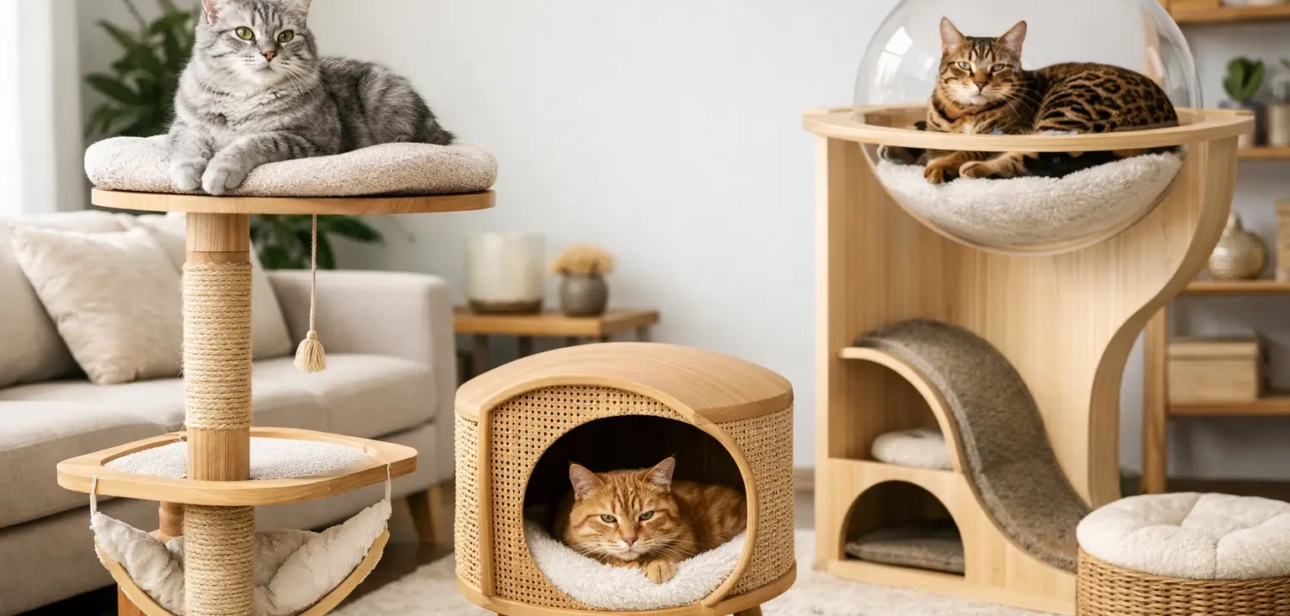
A beautiful home does not have to surrender to a beige carpeted cat tree in the corner. The petsmart.com best cat furniture for a stylish home is less about finding one perfect piece and more about choosing furniture that honors your cat’s instincts while feeling sweetly at home among your rugs, books, art, and little everyday treasures.
For the soft-seeking soul who wants a space that photographs beautifully but still belongs to the whole family, cat furniture can be part of the decor. Think warm wood tones, creamy boucle-like textures, woven baskets, sculptural scratchers, and window perches that give your cat a favorite sunlit place without crowding the room.
Start With Your Cat’s Actual Habits
Before falling for a pretty cat condo, take a gentle look at how your cat already moves through your home. The most stylish piece is not a win if your cat refuses to climb it, nap in it, or scratch it. Cats are wonderfully particular, and their preferences should lead the aesthetic direction.
A climber needs height and a steady base. Look for a multi-level tree or tower with platforms positioned far enough apart to feel like a small adventure. A cat who spends every afternoon pressed against a sunny window may be happier with a secure perch than a large floor-standing condo. If your cat scratches the sofa arms with fierce devotion, a scratcher placed directly beside that spot has a much better chance of becoming the new favorite.
Age matters, too. Kittens and athletic adult cats often love vertical towers and elevated spaces, dangling toys, and higher hideaways. Senior cats, cats with mobility concerns, or short-legged breeds may prefer low lounges, ramps, and wide steps. A stylish home should feel comfortable for every member of it, including the one with whiskers.
6 Cat Furniture Styles That Look Lovely at Home
1. The neutral cat tree

Whisker City® 29.5-in Laid-Back Lookout with Catnip 2-Level Cat Tree, Grey
SHOP AT PETSMART
A neutral cat tree is the easiest starting point for an elevated, calm living room. Cream, taupe, soft gray, and warm brown finishes blend especially well with modern organic, Scandinavian, coastal, and cozy minimal interiors. Look for clean lines, covered cubbies, and plush platforms rather than bright primary colors or busy patterns.
Height is the trade-off here. A tall tree offers more enrichment, especially in a smaller apartment, but it becomes a visual focal point. Choose one in a material and color that echoes the room’s existing palette so it feels intentional rather than accidental.
2. The woven hideaway bed

Whisker City® Grey Fur Hiding Hut & Toy Cat Bed, 16L x 12W
SHOP AT PETSMART
For cats who prefer to curl up somewhere private, a woven hideaway can feel like a little design object. Basket-style beds and enclosed pods bring texture to a bedroom, home office, or quiet living-room corner. They are especially lovely in homes with linen curtains, soft lamps, pale wood furniture, and a collected, romantic feel.
Check the interior dimensions before choosing one. A compact enclosed bed can be precious for a small cat, but a larger cat may feel cramped and skip it entirely. Adding a washable cushion or familiar blanket makes the space feel more inviting from day one.
3. The sculptural scratching post

Whisker City® Modern Curvy Cat Scratcher with Toy, Gray
SHOP AT PETSMART
Scratching is not a bad habit to correct. It is a natural need, and a beautiful scratching post can protect the pieces you love without making your home feel like a pet store aisle. Curved scratchers, modern vertical posts, and scratch loungers in natural sisal or cardboard can look surprisingly polished when placed thoughtfully.
Cats tend to choose scratchers based on texture and angle. Some want a tall upright post that allows a full stretch; others are devoted to a horizontal scratch lounge. If you are unsure, offer both forms in the rooms where your cat spends the most time. A coordinated pair often looks better than one lonely post tucked away where it will never be used.
4. The window perch

K&H Pet Products EZ Mount Cat Window Perch for Large Cats
SHOP AT PETSMART
There is something quietly charming about a cat in a window, taking in the neighborhood like it owns the place. A window perch gives indoor cats visual enrichment and a daily dose of sunshine, while leaving your floor clear for actual furniture.
Prioritize stability over appearance. A perch should be designed for your cat’s weight and installed exactly as directed, especially for enthusiastic jumpers. If your windows are narrow or receive intense afternoon heat, a smaller perch or a nearby elevated bed may be the more comfortable choice.
5. The ottoman-style cat condo

Whisker City® 16-in Grey Wicker Cat Lounger
SHOP AT PETSMART
For small spaces, furniture that does two jobs is a little luxury. Ottoman-style cat condos and enclosed benches can offer a cozy nap nook while blending into a bedroom or living room. They work best for cats who enjoy hidden spaces and households that want to keep visual clutter low.
This option does have limits. A concealed bed is not a substitute for a scratching surface or a vertical climbing option. Consider it one comforting layer in your cat’s environment, not the whole setup.
6. The wall-mounted climbing moment

K&H Pet Products Wall Mount Cat Shelf + Cat Hammock
SHOP AT PETSMART
Wall-mounted shelves, steps, and hammocks are a lovely answer for energetic cats and compact homes. They turn unused wall space into a vertical playground and can create a playful gallery-wall effect when their finishes complement your decor.
They are also the most commitment-heavy choice. Installation needs to be secure, the layout must make sense for your cat’s jumping ability, and rental rules may not allow it. But for a confident climber in a small apartment, a thoughtfully planned wall system can be more useful than a very large floor tree.
How to Make Cat Furniture Feel Intentional
The secret is placement. Instead of hiding every cat item in a spare room, choose the locations your cat naturally loves, then make them part of the composition. A scratching post beside the sofa can pair nicely with a plant stand or side table. A cat bed can sit beside a reading chair, where your pet already wants to be near you. A tree near a window may balance a tall lamp or trailing plant on the other side of the room.
Try repeating one or two materials across the space. If your cat tree has natural wood legs, bring in a wood picture frame or woven storage basket nearby. If the bed is oatmeal-colored, echo that softness through a throw blanket or pillow. This small bit of visual rhythm makes pet furniture feel chosen with love, not tolerated.
It is also okay to create a few cat zones rather than asking one large piece to do everything. A scratcher near the sofa, a cozy bed in the bedroom, and a perch in the brightest window support different needs and prevent one corner from becoming overcrowded. The home feels calmer, and your cat gets more choices.
What to Check Before You Bring It Home
Style matters, but sturdiness deserves equal attention. A tall cat tree should have a broad, weighted base and no wobbly platforms. Posts should be wrapped tightly enough that loose material is not an immediate temptation. For upholstered or cushioned pieces, removable and washable covers are a quiet lifesaver, especially during shedding season.
Pay attention to the scale of the furniture as well. Measure the intended corner, then compare it with the product dimensions before buying. For a cat tree, consider the ceiling height and the clearance needed for your cat to leap onto the top platform. For condos and beds, think beyond the exterior footprint and make sure the entryway is comfortable for your cat’s body.
Finally, give new furniture time. Sprinkle a little catnip on an appropriate scratcher if your cat responds to it, place a favorite blanket on a new bed, or gently play with a wand toy near the base of a tree. Never force your cat into an enclosed condo or perch. The goal is for the piece to become part of their territory, slowly and happily.
A Home That Holds Both Beauty and Play
The best cat furniture does not need to disappear. It can add warmth, texture, and a sense of real life to a carefully styled room. Choose pieces that match your palette, respect your cat’s wonderfully specific preferences, and make room for those small, tender rituals: the afternoon window nap, the post-dinner scratch, the sleepy curl-up beside you. That is the kind of beautiful home that feels lived in, loved, and entirely your own.