
Share This Article
The difference between a five-minute face that feels fresh and one that slips by lunchtime can come down to one small choice: tinted moisturizer vs skin tint. Both promise that coveted your-skin-but-better effect, yet they can wear very differently depending on your skin type, desired coverage, and the kind of morning you are having. Think less mask-like makeup, more softly polished complexion.
For the soft-seeking soul who loves a makeup bag that feels edited rather than overstuffed, knowing which formula belongs in your routine makes getting ready feel easier. Here is how to choose the sheer base that gives you the glow, comfort, and confidence you are actually looking for.
Tinted Moisturizer vs Skin Tint at a Glance
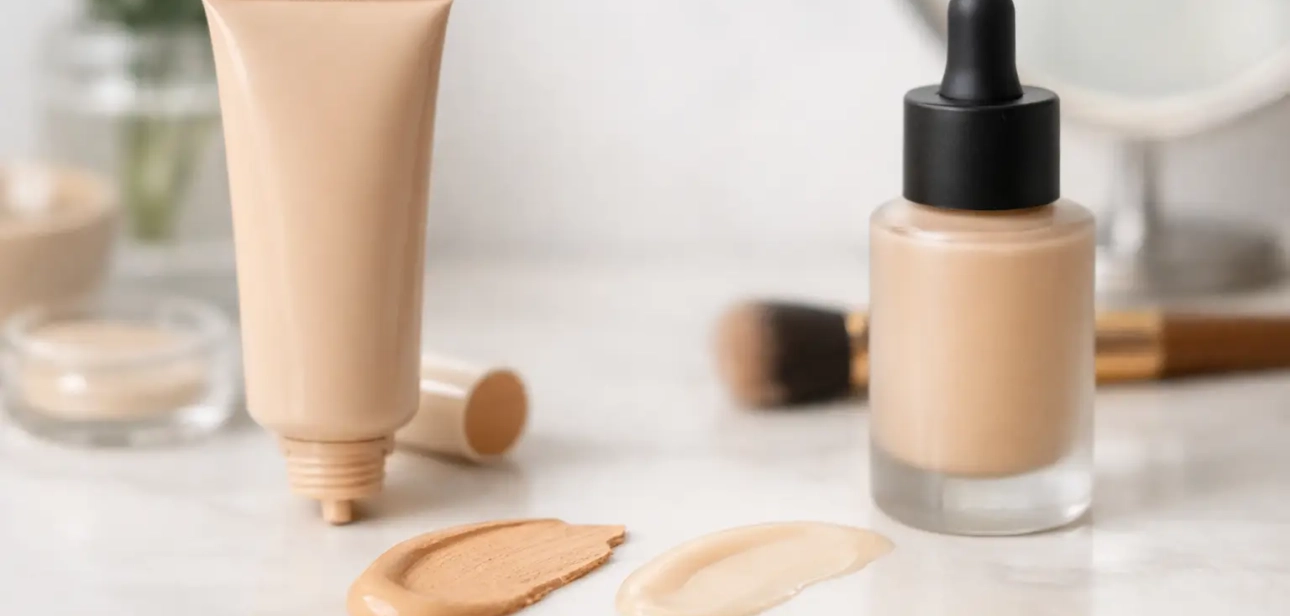
Tinted moisturizer is usually a skincare-meets-makeup hybrid. It pairs a light wash of pigment with moisturizing ingredients, often creating a dewy finish and light to light-medium coverage. It is designed to make skin look more even while still feeling flexible, comfortable, and very much like skin.
A skin tint is typically even lighter in texture and coverage. It may be serum-like, watery, creamy, or gel-based, and its purpose is often to blur tone rather than noticeably cover it. Many skin tints leave freckles, natural redness, and skin texture visible in a pretty, intentional way.
Still, there is plenty of overlap. Beauty labels are not standardized, so one brand’s skin tint can offer more coverage than another brand’s tinted moisturizer. Rather than relying on the name alone, look at the stated coverage, finish, skincare claims, and shade range before adding anything to your cart.
Choose Tinted Moisturizer When Your Skin Wants Comfort
Tinted moisturizer is a lovely choice when your priority is hydration. It tends to suit normal, dry, dehydrated, or mature skin, especially when your complexion can look a little flat or tight beneath traditional foundation. The creamy texture often gives skin that rested, weekend-away softness, even when your calendar says otherwise.
Coverage is generally buildable in small amounts. You can apply a thin layer with your fingers for an easy, casual finish, then press a little more over the center of the face where redness or uneven tone tends to show up. It will not usually disguise a stubborn breakout or dark hyperpigmentation by itself, but it creates a more even canvas without asking much from your skin.
Many tinted moisturizers include ingredients like glycerin, hyaluronic acid, squalane, ceramides, or soothing botanical extracts. These additions can feel especially nice during colder months, after travel, or whenever your usual base starts emphasizing dry patches. Skincare benefits are a bonus, though, not a substitute for a complete skincare routine.
The trade-off is longevity. A richer formula can become shiny on oily skin or move around in humid weather. If you love the comfort of a tinted moisturizer but need it to last, prep with a lightweight moisturizer, use a small amount of product, and set only the areas that get glossy, such as the sides of the nose, chin, and forehead.
The finish you can expect
Most tinted moisturizers lean radiant, satin, or natural rather than matte. This makes them ideal for days when you want your base to look gentle and luminous in person, on video calls, and in candid photos. If you prefer a blurred, velvet-like finish, you may need a soft-focus primer or a touch of translucent powder.
Choose a Skin Tint for a Barely-There Makeup Look
A skin tint is for the mornings when you want to look awake, not obviously made up. Its thin texture melts in quickly and often feels almost weightless, making it particularly appealing in warm weather or for anyone who dislikes the sensation of foundation.
These formulas work beautifully for normal, combination, and oily skin, although dry skin can love them too with thoughtful prep. Since a tint is often less emollient than a tinted moisturizer, dry areas may show through if you skip moisturizing. A hydrated base is the secret to keeping that whisper-light finish from looking patchy.
Skin tints are also wonderful for makeup minimalists who prefer strategic concealer. Apply the tint all over for overall harmony, then use a creamy concealer only where you truly want more coverage: under the eyes, around the nose, or over a blemish. The result looks dimensional and believable because your actual skin is still part of the picture.
A skin tint may not be the most satisfying choice if you want one product to camouflage acne marks, rosacea, or pronounced discoloration. That does not make it less beautiful. It simply means it is made for a different mood: light, breathable, and quietly polished.
The finish you can expect
Skin tints vary more than tinted moisturizers. Some dry down natural and slightly blurred, while others give a fresh, glassy glow. Shake well if the formula is fluid, because pigments and skincare oils can separate. Use a small amount first. A skin tint can look beautifully undetectable when applied in thin layers, but adding too much too quickly can make even a sheer formula settle unevenly.
How to Pick the Right Formula for Your Skin Type
Your skin type is helpful, but it should not make the decision for you. Your climate, skincare routine, and preferred finish matter just as much. A person with oily skin in Arizona may want something quite different from a person with oily skin in a cold Midwestern winter.
If your skin is dry or easily dehydrated, begin with a hydrating tinted moisturizer or a glow-focused skin tint over moisturizer. Look for a formula that stays flexible rather than one that dries down quickly. Avoid applying too much powder, which can take away the soft, fresh effect you wanted in the first place.
If your skin is oily, a lightweight skin tint with a natural or soft-matte finish may feel more comfortable. Tinted moisturizer can still work, particularly if you choose an oil-free formula and apply it sparingly. The best test is how it looks after a few hours, not just how luminous it appears in the first five minutes.
If your skin is combination, use the formula that serves your cheeks, then tailor the rest. A dewy tint or tinted moisturizer can be gorgeous on the perimeter of the face, while a little powder through the T-zone keeps everything balanced. Makeup does not have to be one finish everywhere.
If your skin is sensitive or breakout-prone, check the ingredient list and patch test when possible. Fragrance, essential oils, and certain rich emollients can be lovely for some people and irritating for others. A gentle formula with a short ingredient list may be the most romantic choice of all because it lets your skin stay calm.
Coverage, SPF, and Shade Range Matter More Than the Label
When deciding between a tinted moisturizer and skin tint, ask yourself what you want the product to do. Do you need a hydrated replacement for light foundation? Do you want something that evens out your complexion while leaving every freckle visible? Do you want a quick base for errands, work, dates, or summer travel? Your honest answer is more useful than any trend label.
SPF deserves a little perspective, too. Many tinted moisturizers include sun protection, while skin tints may or may not. A complexion product with SPF is a welcome extra, but most people do not apply enough makeup to receive the full protection listed on the tube. Apply your dedicated broad-spectrum sunscreen first, let it settle, then layer your tint or tinted moisturizer on top.
Also, do not overlook shade range and undertone. Sheer formulas are forgiving, but the wrong undertone can still make your face look slightly orange, gray, or disconnected from your neck. Test shades in daylight when you can, and give them a few minutes to settle before deciding. Some formulas oxidize as they dry.
A Simple Way to Make Either One Look Better
The prettiest sheer base starts with skin that has been given a moment to breathe. Apply skincare in light layers, allow your sunscreen to set, then use your fingers, a damp sponge, or a dense brush depending on the finish you want. Fingers offer the most natural result, while a brush can build coverage a little more evenly.
For a soft everyday face, pair your base with cream blush, brushed-up brows, mascara, and a balm or gloss in a shade close to your natural lip color. This is the kind of makeup that lets your features lead. Nothing needs to look perfect to look lovely.
There is no universally better choice between a tinted moisturizer and a skin tint. Choose the formula that meets your skin where it is, then let the rest of your routine feel like a small act of care rather than another thing to get right.