
Share This Article
That overflowing closet can still leave you standing in a towel, convinced you have nothing to wear. A capsule wardrobe guide for beginners is not an invitation to dress in beige forever or throw away every fun thing you own. It is a gentler way to make your wardrobe feel like it belongs to you again: edited, beautiful, practical, and full of outfits you actually want to reach for.
The goal is not perfection. It is to create more ease on busy mornings, make shopping decisions less impulsive, and give your personal style room to become clearer. For the soft-seeking soul who loves a little romance in her everyday look, a capsule can be less about rules and more about keeping the pieces that make life feel put together.
What a Capsule Wardrobe Really Is
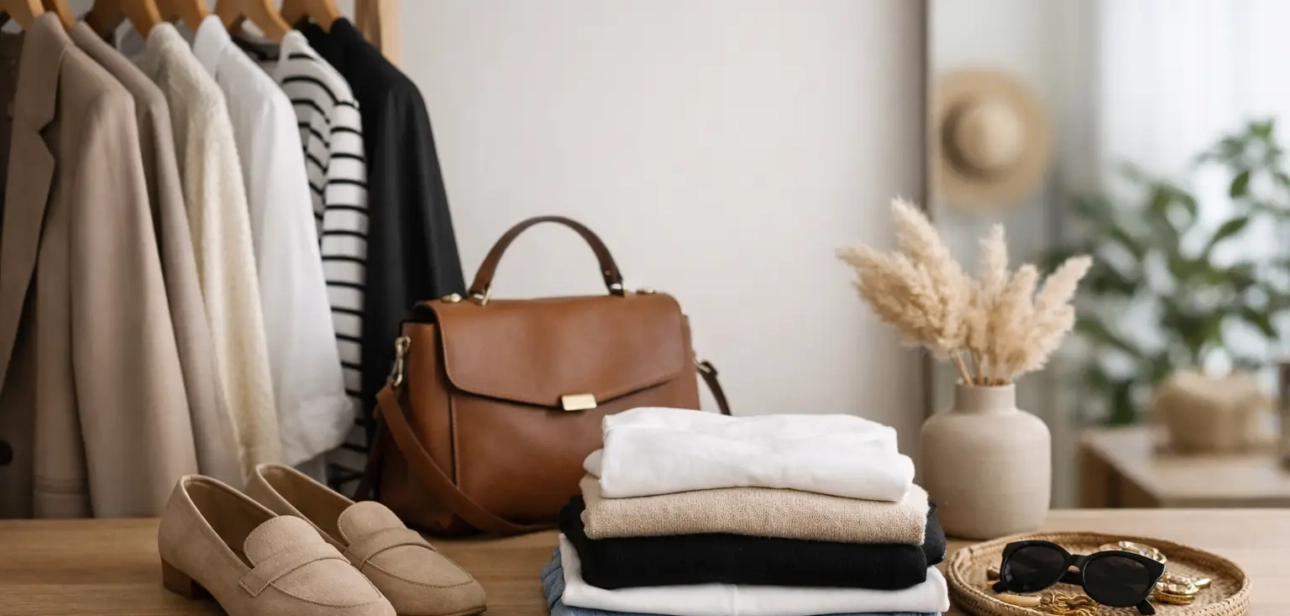
A capsule wardrobe is a small, intentional collection of clothing that mixes and matches easily. Most people build one around a season, although you can also create a year-round version if your climate and lifestyle make that realistic.
There is no magic number. Some people feel great with 25 pieces, while someone who works in an office, attends weddings often, or lives through four distinct seasons may need 40 to 50. The best number is the one that gives you enough choice without turning getting dressed into a daily decision spiral.
Think of it as your wardrobe’s reliable inner circle. It includes the jeans that always fit, the knit you reach for when you want to feel cozy, the dress that works for brunch and a date night, and the jacket that makes a simple outfit look considered. Your capsule should support your real life, not a fantasy version of it.
Capsule Wardrobe Guide for Beginners: Start With Your Life
Before organizing by color or ordering matching hangers, look at how you spend your actual week. A capsule wardrobe works best when it answers the question, “What do I need to get dressed for?”
If you work from home, your wardrobe may lean into elevated comfort: soft trousers, fitted tees, cardigans, relaxed denim, and polished flats. If you commute to an office, you may need more tailored layers, practical shoes, and pieces that can move from a meeting to dinner. A parent with weekends at the park needs a different mix than someone whose calendar is full of gallery openings and dinner reservations.
Try dividing your week into categories, then estimate how often you dress for each one. Work, casual plans, workouts, errands, evenings out, and special occasions all count. This small reality check prevents a common capsule mistake: collecting beautiful pieces for a lifestyle you rarely live.
Choose a Style Direction, Not a Strict Aesthetic
Pinterest can make it tempting to name your style in one perfect phrase. Perhaps you love “French girl minimalism,” “coastal grandmother,” or “clean girl” looks. Inspiration is lovely, but labels can become limiting when they do not account for what feels natural on your body and in your routine.
Instead, choose three to five words that describe how you want to feel in your clothes. You might choose feminine, easy, polished, playful, relaxed, or romantic. These words can guide you far better than copying every item from a trending outfit.
For example, a feminine and polished capsule might include a soft pink button-down, straight-leg jeans, a delicate gold necklace, and a blazer with a slightly defined waist. A relaxed and cool capsule may favor a worn-in leather jacket, wide-leg denim, striped tees, and sleek sneakers. Both can be versatile. They simply tell different stories.
Edit Before You Buy Anything New
The most satisfying capsule wardrobes often begin with a closet edit, not a shopping cart. Pull out the clothes you wear most often and set them aside first. These are your clues. Notice the shapes, fabrics, colors, and outfit formulas you already trust.
Then sort the remaining pieces with kindness. Keep what fits now, feels comfortable, suits your current life, and makes you feel like yourself. Set aside items that need tailoring, a simple repair, or a better styling attempt. Let go of clothes that create guilt, itch, pinch, or belong to a version of you that you have outgrown.
Be especially honest about “someday” clothes. Keeping one sentimental piece is different from letting an entire shelf make you feel behind. Your closet should be a supportive place to start the day.
Build Around Easy Outfit Formulas
Instead of trying to create dozens of unique looks, choose a few outfit formulas you genuinely enjoy. These repeatable combinations are the secret to a wardrobe that feels effortless rather than boring.
A few examples might be straight-leg jeans with a fitted knit and loafers; a midi skirt with a tucked-in tee and ankle boots; or relaxed trousers with a tank, cardigan, and simple sneakers. When you know your formulas, you can spot gaps with more clarity. You may not need another blouse, but you might need the right everyday shoe to make five existing outfits work.
This is also where proportion matters. If your favorite pants are wide and relaxed, you may prefer more fitted tops. If you love oversized shirts, a slimmer jean or skirt can create balance. There are no universal rules, only combinations that make you feel comfortable and confident.
Pick a Palette That Makes Mixing Easy
A capsule wardrobe does not need to be neutral, though a few grounding colors make it much easier to mix pieces. Start with two or three base shades you love wearing, such as cream, black, navy, chocolate brown, denim blue, olive, or gray.
Then add one or two accent colors that bring you joy. Maybe that is butter yellow, cherry red, baby blue, blush, or a soft sage green. Prints can absolutely belong in a capsule too. A striped top, floral skirt, or leopard flat can work beautifully when its colors connect to the rest of your palette.
If color makes you happy, do not let capsule wardrobe content convince you otherwise. The point is coordination, not restriction. A colorful wardrobe can still be highly wearable when the pieces share a common mood and pair well with your favorite basics.
The Beginner Pieces Worth Prioritizing
Start with what you own, then add only the pieces that solve a real outfit problem. For many beginners, a flexible foundation includes these categories:
- Two to three bottoms you can wear often, such as jeans, trousers, a skirt, or tailored shorts.
- Four to six tops in silhouettes you enjoy layering and wearing on their own.
- Two to three layering pieces, like a cardigan, blazer, denim jacket, or lightweight coat.
- Three to five pairs of shoes that match your weekly routine, from everyday sneakers to a dressier option.
- A small selection of dresses, bags, and accessories that make your basics feel personal.
The exact pieces depend on your climate. Someone in Miami may need linen pants and sandals, while someone in Chicago will get more use from knitwear, boots, and a warm coat. Seasonal capsules are often the easiest place to begin because they make these differences feel manageable.
When you do shop, favor fit and repeat wear over a dramatic discount or viral moment. Ask yourself whether an item can make at least three outfits with what you already own. If the answer is no, it may still be beautiful, but it is probably not a capsule priority.
Let Trends Be the Finishing Touch
A capsule wardrobe should not make getting dressed feel dated or overly serious. Trends can be such a sweet way to refresh familiar pieces, especially through accessories and one or two seasonal additions.
This season, that might look like adding a woven bag, a sculptural ballet flat, a playful hair bow, a butter-yellow cardigan, or a pair of slim sunglasses. These details can bring a current mood to dependable denim and a white tee without requiring a full closet reset.
The trade-off is simple: trend pieces often have a shorter life span in your wardrobe. That is not a reason to avoid them. Just keep your investment pieces classic for your own taste, and let the lower-commitment items carry the trend energy.
Give Your Capsule Time to Become Yours
A capsule wardrobe is not finished the day you organize it. Wear it for a few weeks and pay attention. Are you repeating the same three outfits because they are genuinely perfect, or because the rest of your clothes need a better fit, a different shoe, or a little tailoring? Are you missing color? Do you need more options for evenings, travel, or laundry day?
Keep a small note on your phone with the gaps you notice. This helps you shop with intention when the right piece appears, rather than buying a temporary mood. It also makes room for life to change, because a wardrobe should shift when your job, body, climate, or tastes do.
Your closet does not need to look like anyone else’s to feel beautifully complete. Keep the dress that makes you stand taller, the sweater that feels like a warm hug, and the details that make an ordinary Tuesday feel a little more romantic. The best capsule is simply one that lets you meet your day feeling more like yourself.